
1. Why not visit during rainy season?

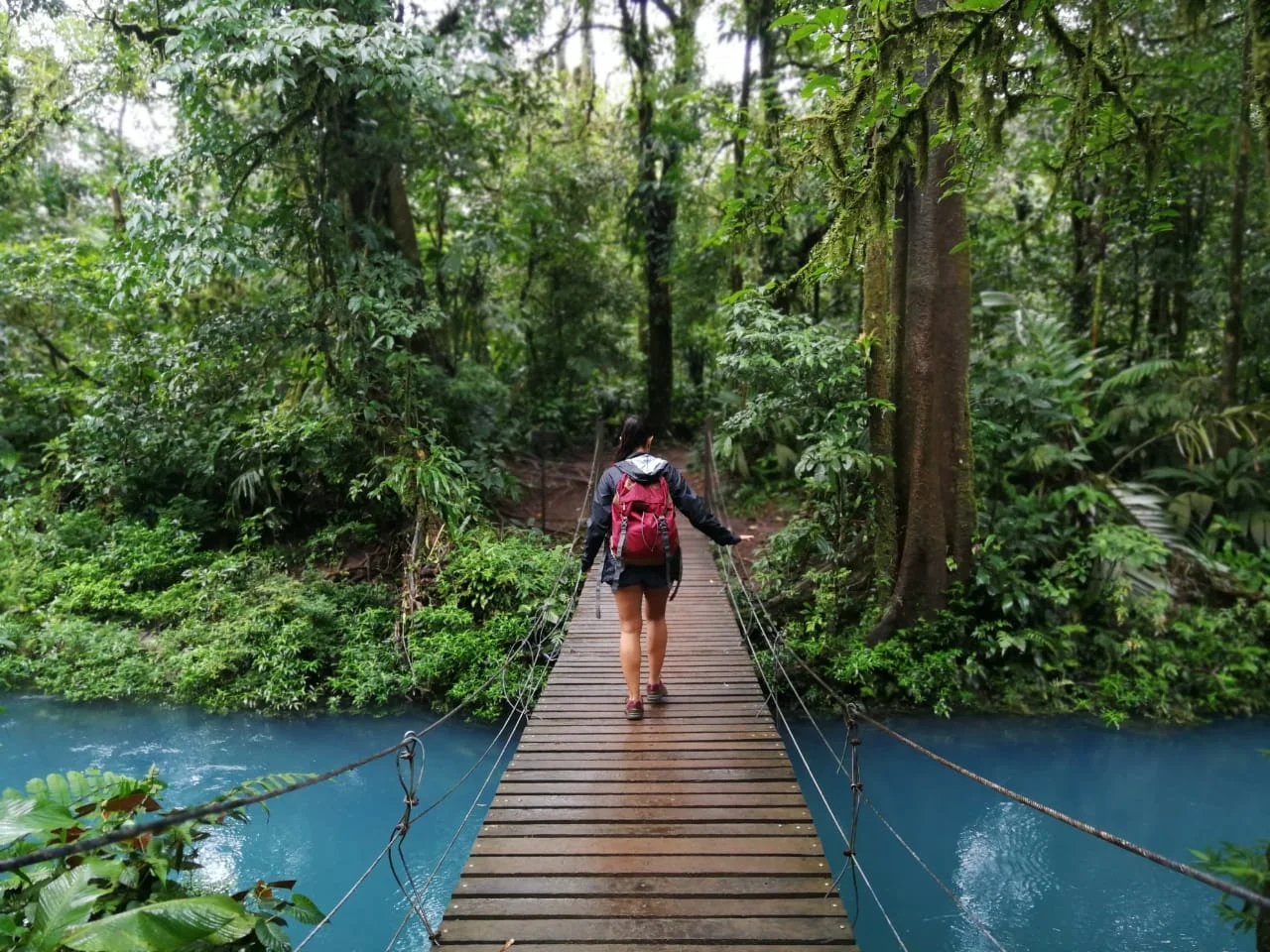
Visiting Costa Rica during rainy season has also a lot of benefits. The rainy season months are from May – October, during these months everything is lush, as well as lightly cooler due to the moisture. The forest becomes beautiful green and the flowers bloom. During the green months there aren’t as many visitors, so the towns and roads don’t feel as congested. Another advantage is that traveling to Costa Rica as well as within the country is less expensive than it is to travel during the high dry season months.
Some people are afraid to travel to Costa Rica during the rainy season because they think it will always rain, however, in our region and in Playa Tamarindo particularly, it rains very little and it is possible that it will rain only a few days and for a short time. Surely, there will be enough sunny weather to enjoy the beach and the outdoors every day.
2. If you are one of those who prefers or need to be connected (on line)

You can use your smartphone in Costa Rica by getting a prepaid SIM card or you can purchase an international data plan with your cell phone carrier at home. Keep in mind that in order to use a prepaid SIM card your cell phone must be unlocked. You will be able to purchase a SIM card when exiting the airport at the Kolbi stand. Kolbi is the oldest and biggest cell phone company in Costa Rica, therefore it works the best thought out the country. You can recharge your phone, or add more minutes at any large supermarket or ‘pulperias’ the smaller supermarkets.
If you do not need a plan to be constantly online, you can connect on occasion using the free WiFi service offered by several restaurants, hotels and even some means of transport for tourism. In order to use this service, you should only have to ask for the WIFI password.
3. WAZE is the best GPS while traveling in CR

Waze is an application for cell phones that offers maps and addresses or free online routes. What makes Waze very useful is not only the accuracy of the maps, but the fact that it is an application based on community and it takes into account the user’s comments. Other users will report traffic problems, car accidents and driving times, which will save everyone time and improve the driving experience in general, mainly if the routes are not known. It is important to know that it is necessary to have internet for the application to work properly.
The application is currently the most used in Costa Rica so the route information is quite updated and useful when driving.
4. When booking tours it is better to book locally – support local tours

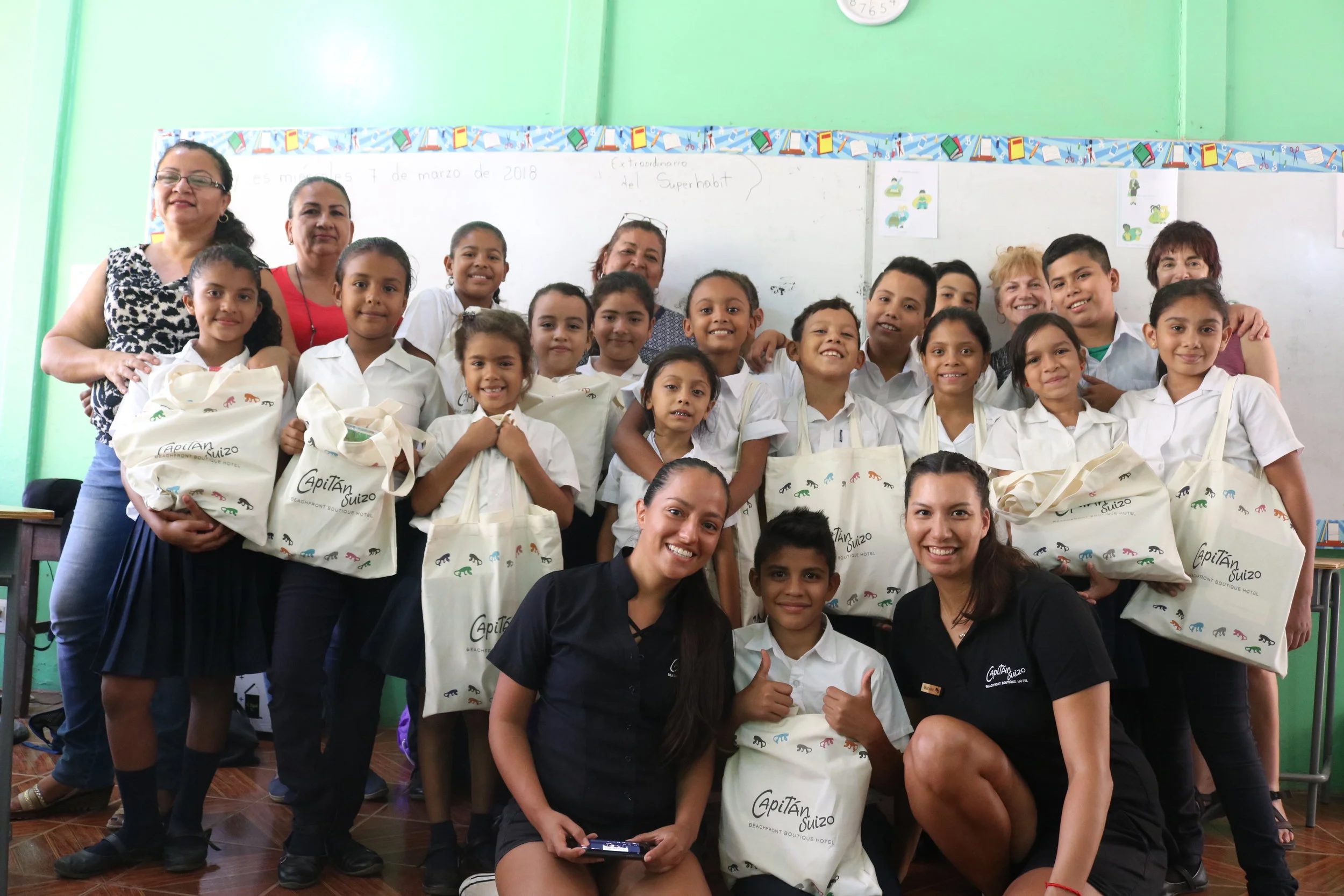
“Capitan Suizo promotes activities with local guides in order to offer tourists a comprehensive experience that complements natural and cultural attractions. Our goal is that rural communities of the country can benefit to diversify their sources of income and improve the quality of life for the inhabitants of the regions of the country in smaller communities.”
Rosa Villarreal, concierge at Hotel Capitan Suizo
5. Eating at ‘sodas’ – delicious food and at a better price!

Do not confuse "Soda" with a carbonated beverage. "Sodas" are small family restaurants that are found throughout Costa Rica. In Sodas you can find a variety of dishes from Costa Rica. Eating in Sodas is a good way to try local cuisine without spending a lot of money, but it is important to know that Sodas are usually more informal than a conventional restaurant and it is possible that there are differences in service, such as that it may not possible to pay with a credit card. If you are a patient person and want to experiment it is a good option. In our area, the closest "Soda" is "Soda Las Palmas" in Villarreal, in the town just before entering Tamarindo.
6. Don’t change all of your currency in the airport – USD accepted

In Costa Rica, the US dollar is well accepted in almost all businesses. It is advisable to change only a part of your money to the local currency in case you need it, but in most businesses they will accept credit cards without problem or dollars at a good exchange rate.
If you prefer to change some money to have local currency it is better to change it at a bank and not at the airport as in the airport the exchange rate is very bad - resort to a currency exchange desk only as a last resort.
Credit cards are widely accepted
In almost all business credit and debit cards are accepted which makes it more comfortable and safe to not have to carry cash.
7. Tap water is safe to drink

In Costa Rica, water quality control is very good. We have the best quality standards at the Central American level according to the World Health Organization (WHO). All the water in the supply network is potable and suitable for human consumption. However, the taste and minerals may vary depending on the region, so it is better to take the filtered water (better taste) or the bottled water. There is no risk of consuming and refilling the reusable bottle with tap water.
8. Make sure you have enough time to see more than 1 location (ex. Beaches, volcanos, rainforests, waterfalls)

Costa Rica is a very small country, but very diverse. With only 51,100 km2 it has more than 28 different National Parks to visit, 25% of its land area is protected. Costa Rica has Atlantic and Pacific coast, the size of its territory increases to 625,825 km2 if we take into account its territorial and patrimonial sea on both coasts. Its land extension makes it possible to move from coast to coast in the same day, with more than 200 different warm-water beaches to visit.
It also has around 200 volcanic outbreaks with at least seven active volcanoes open to the public, a large number of rivers, some with thermal waters, hundreds of different ecosystems and forest types with incredible biodiversity.
Costa Rica is a country that from North to South has destinations that can provide a unique and unforgettable experience to your vacation. In addition, our people are known for being honest, kind, friendly and very open with tourist. We recommend you to venture and discover more than just one destination during your visit.
9. Buy local souvenirs

Buying crafts and products made locally contributes to the local economy. Costa Rica is full of many creative locals who make beautiful items or very special products. In Tamarindo you can visit the market of artisans and producers organized by the community on Saturday mornings, where you can find a wide variety of articles and products. If you are interested in visiting, Rosa Villarreal at the information center can provide more information about this activity.