Mariolitas – Native bees and their importance in Costa Rica

Mariolitas are small, stingless bees native to tropical America. They are among the most common species in Costa Rica and are completely harmless to humans.

They are excellent pollinators of native plants as well as agricultural crops. They also produce a very delicate honey with a slightly acidic, floral flavor. This honey is highly valued for its medicinal properties and its rarity, due to limited commercial production.

For the indigenous peoples of the region, mariolitas represented medicine, a source of livelihood, and a spiritual symbol. Their honey has traditionally been used for medicinal purposes.

Long before modern beekeeping, indigenous communities practiced the cultivation of stingless bees, known as meliponiculture. They placed nests in hollow tree trunks near their homes, protected the colonies from predators, and harvested the honey sustainably, as they had a deep understanding of the bees’ natural cycles.
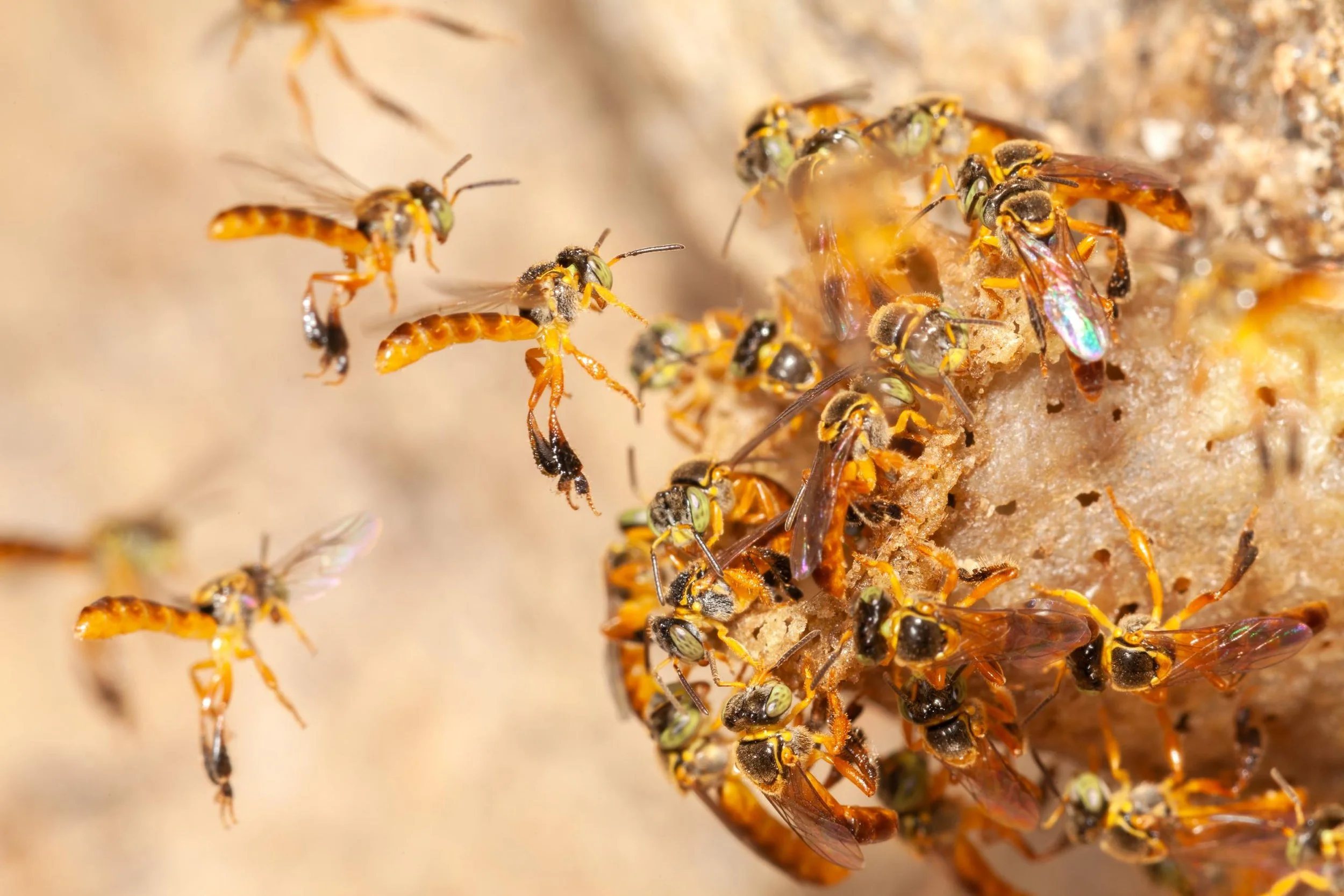
These small bees actively contribute to local biodiversity. Photo: Adobe Stock

In some Mesoamerican cultures, such as the Maya, stingless bees were considered sacred. They were associated with nature, fertility, and life. Their honey was used in rituals and offerings. There were even deities connected to bees, such as Ah Muzen Cab, the Mayan god of bees and honey, revered as the protector of honey gatherers and a symbol of abundance. His name means “the keeper of the honey.”

These bees reflected a way of life in balance with nature: they were not intensively exploited, their role as pollinators was respected, and they were seen as allies in an almost symbiotic relationship.

Properties of their honey

Antimicrobial and antibacterial: It has a strong ability to inhibit bacteria and fungi, due to its acidity, phenolic compounds, and natural enzymes.

  1. Rich in antioxidants: It contains flavonoids and polyphenols that help combat oxidative stress and slow cellular aging.

  2. Anti-inflammatory: Traditionally used to relieve irritations, mild infections, and inflammatory conditions.

  3. Supports the immune system: Its bioactive composition can help strengthen the body’s natural defenses, especially when consumed regularly in small amounts.

  4. Traditional medicinal use: In many Mesoamerican indigenous cultures, it is used to treat eye infections (highly diluted), respiratory issues (cough, sore throat), and for wound healing.

  5. Digestive and potentially probiotic: Due to its natural fermentation (higher than regular honey), it may support gut microbiota.

Their importance as pollinators

Due to various factors, the global population of pollinating insects has declined, affecting both agricultural production and biodiversity. Mariolitas are excellent pollinators: they are highly active and, unlike honeybees (Apis), can work even in light rain. They are also well adapted to hot and humid climates.

As generalist pollinators, they can pollinate a wide variety of plant species. Their small size and light weight allow them to access and pollinate very small flowers.
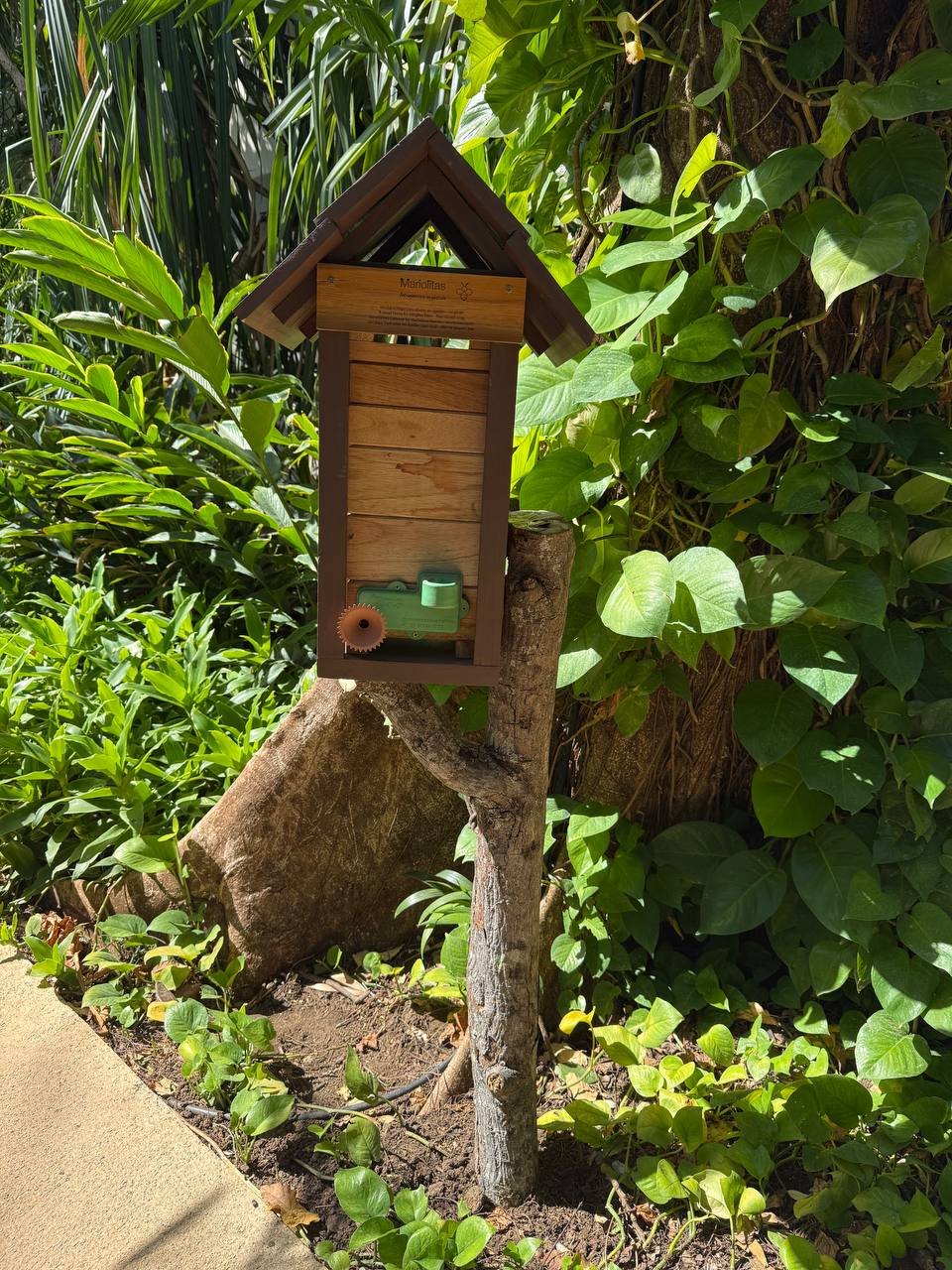
Mariolitas house in our garden – a space dedicated to stingless bees. Photo: Hotel Capitán Suizo

In our garden, mariolitas pollinate the flowers of Guanacaste trees, pochote, papaya, piper species, starfruit trees, and many other native plants.


From: Helen Soto, Manager
May 28, 2026
Our new upcycled oil lamps

In each room, on the terrace or on the balcony, you can find oil lamps, so you can enjoy the mild nights of Guanacaste, before going to sleep.

These lamps are made of a ceramic base and a glass vase. Unfortunately, these glass vases were very fragile and used to shatter very easily, so we started looking for alternatives, which was not an easy task. To find a glass vase that looked nice, was resistant and was available here in Costa Rica was not that obvious.
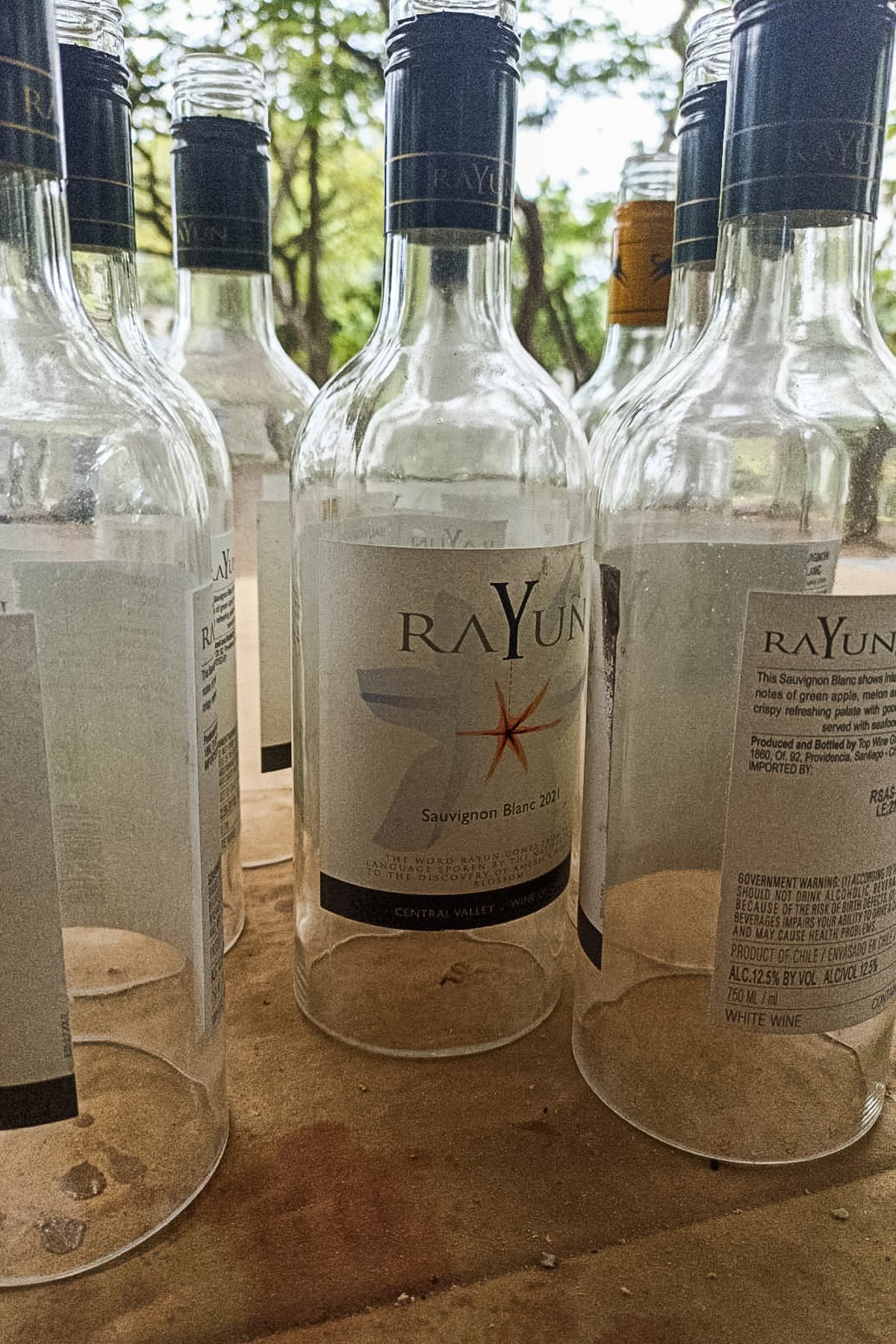
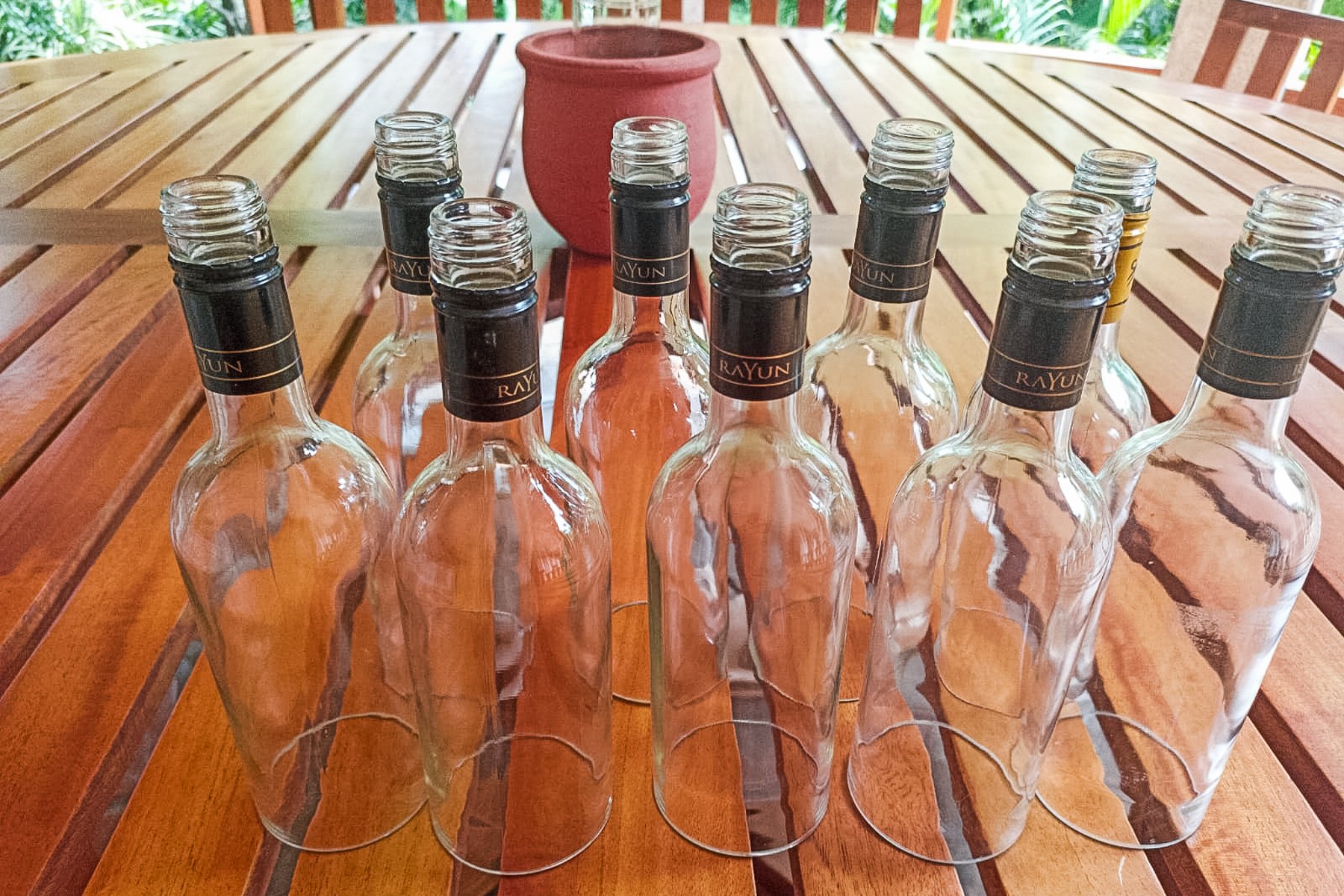
Until a few weeks ago, when Danilo, one of our staff members, had a great idea: to upcycle used glass bottles - which we had a lot of!
It was a win win win solution; we had ready-available lamps, more resistant then the old ones, they looked good, it’s a solution that supported our sustainability vision and they were even for free!

Old lamp

New lamp

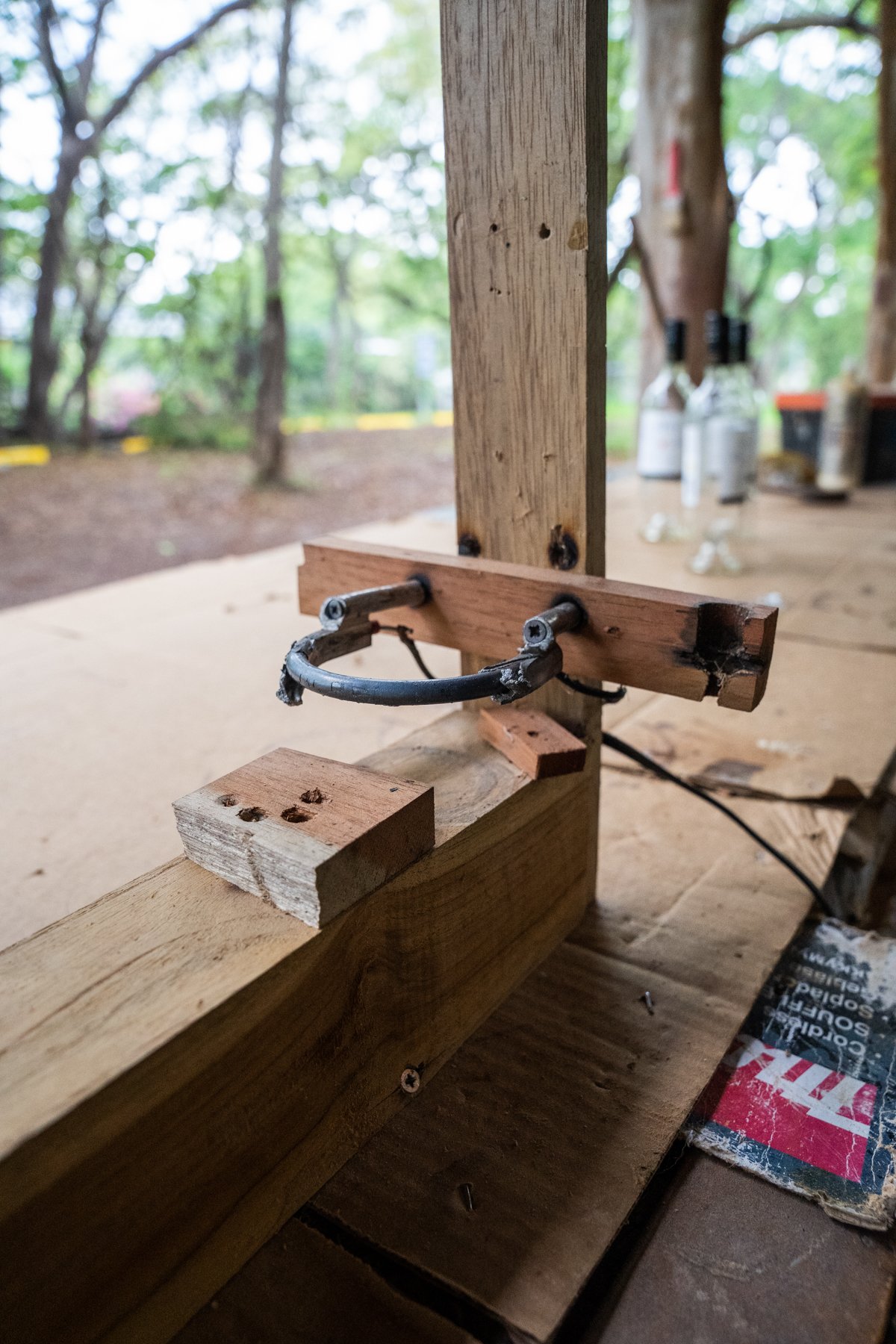
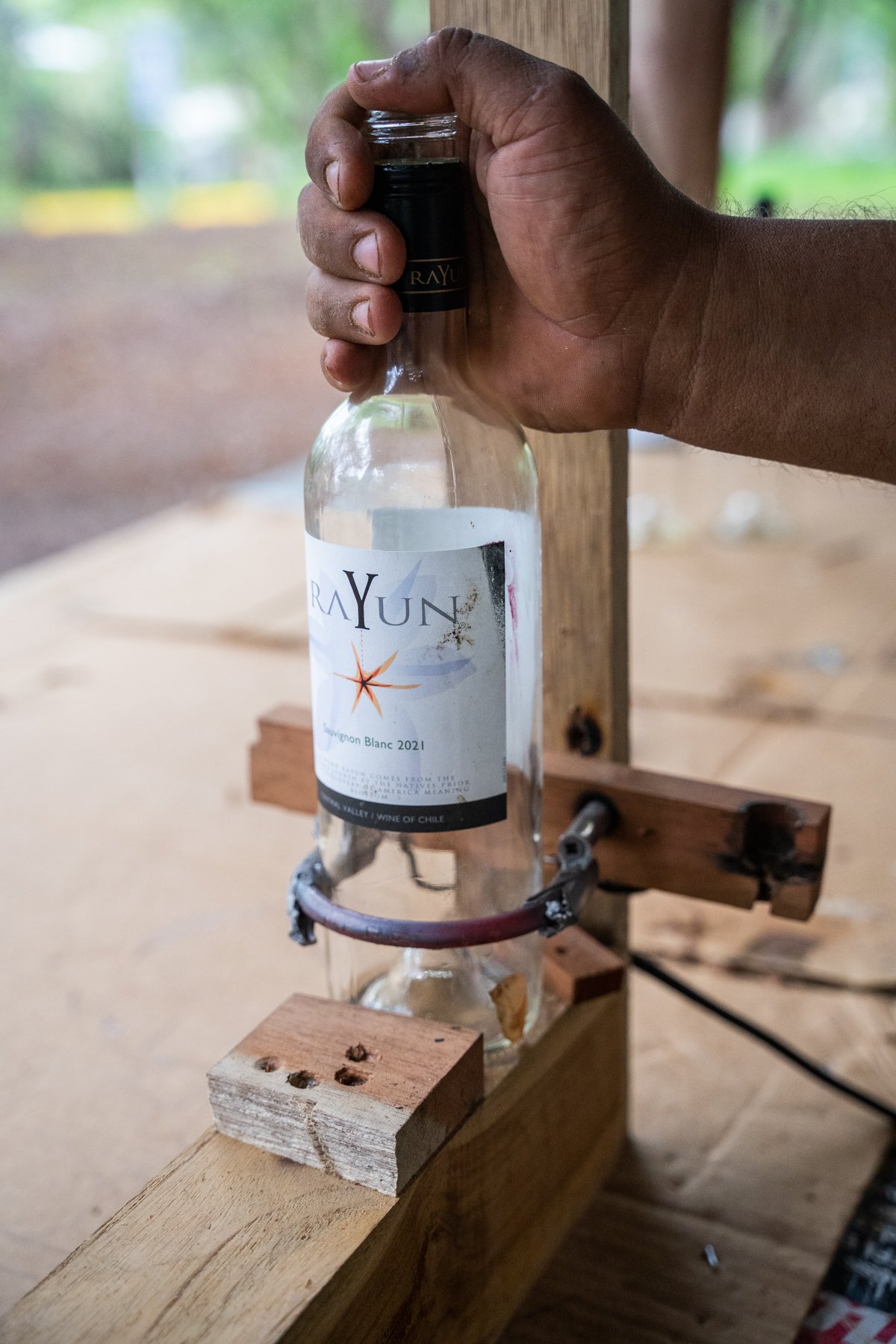
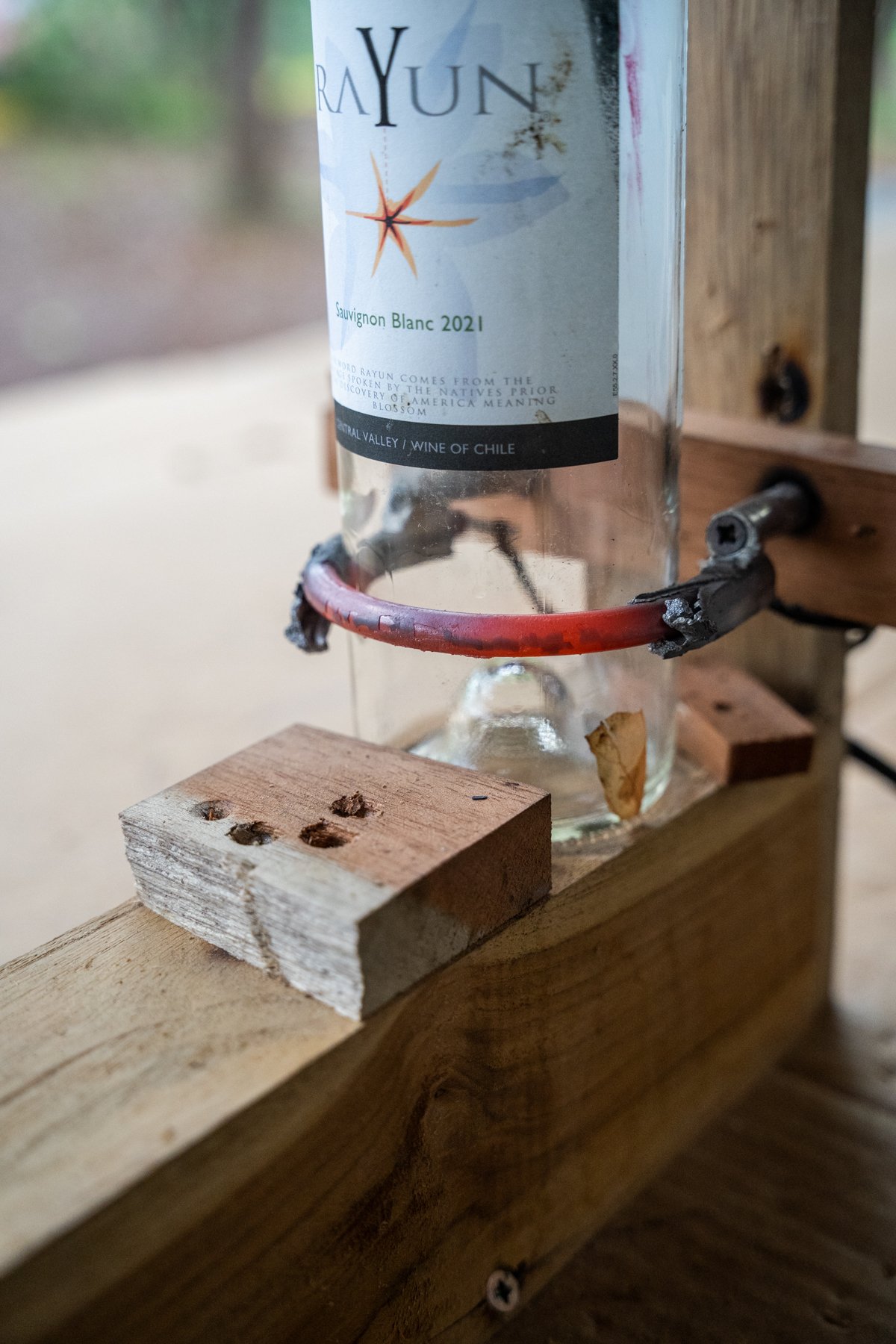
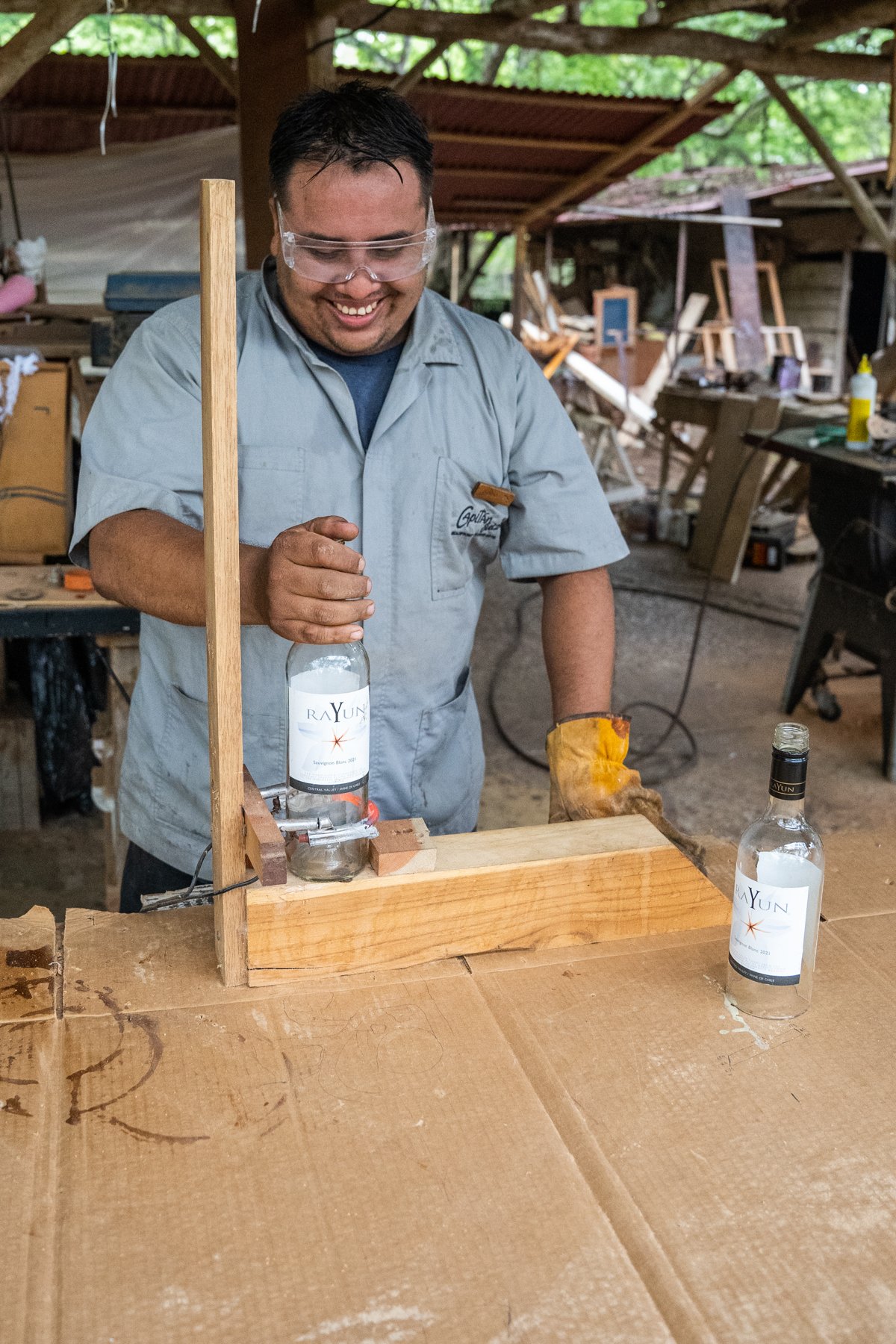
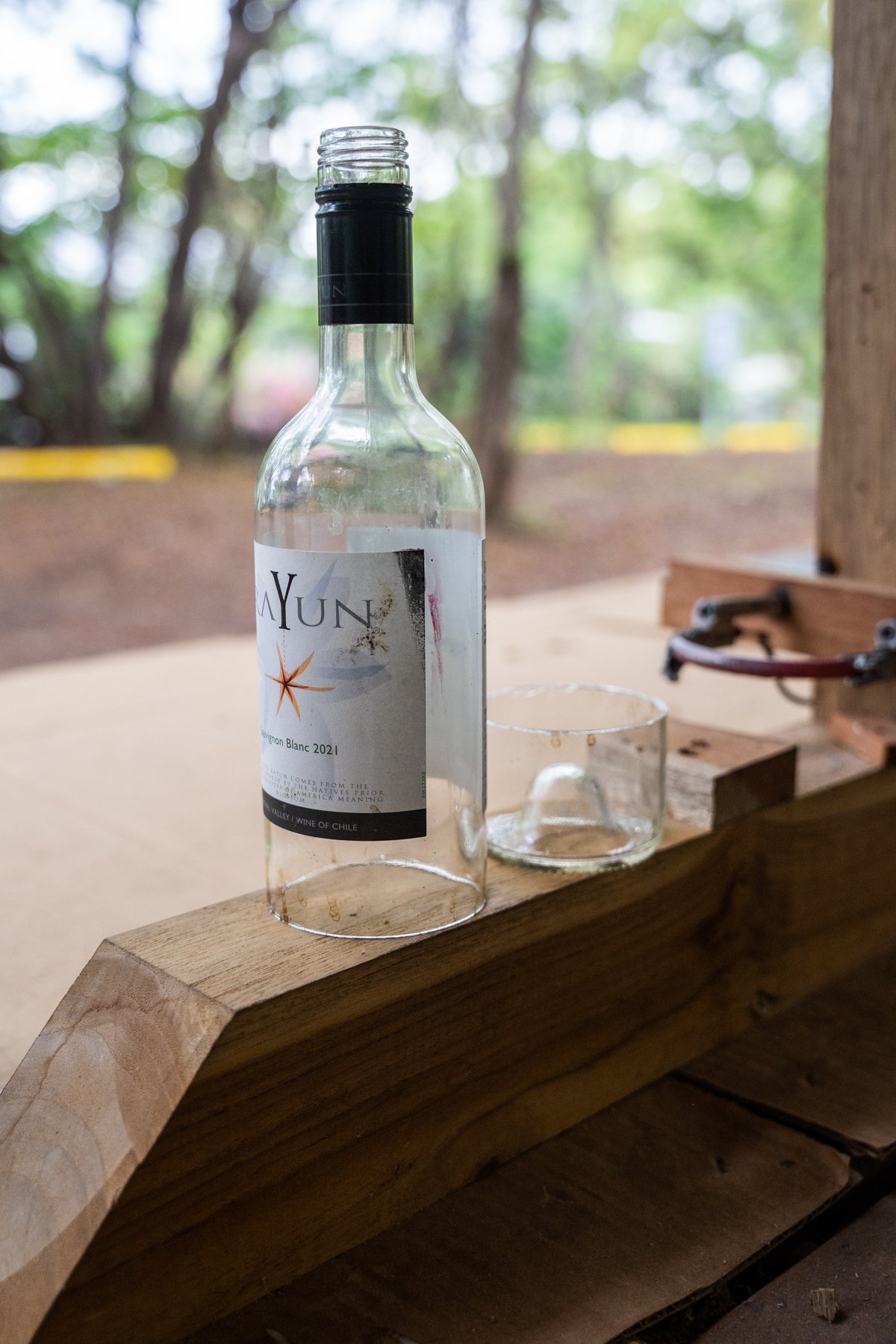
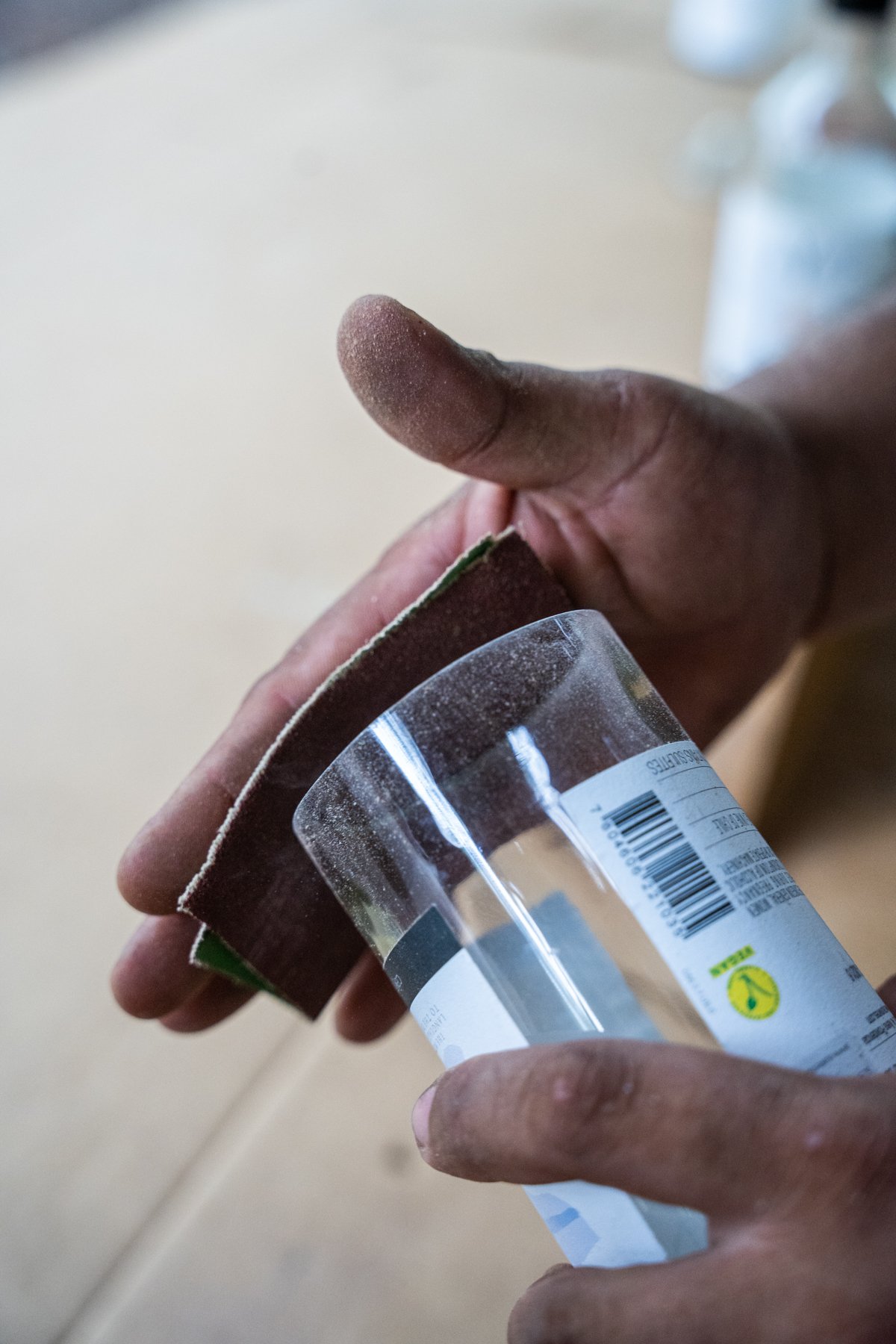
The next step was to figure out how we could cut and prepare the bottles for their new life as a lamp vase. Another one of our staff members, Sergio, came up with a clever solution. He built a small machine, consisting of a round wire that heats up with electricity. The glass bottle is placed within the wire, and continuously rotated, until the heath of the wire produced by the electricity cuts the bottle.

We are always surprised and grateful for the creativity and affection with which our team members at Capitán Suizo look for solutions together. In a very practical, simple and environmentally friendly way.

Now, we can offer our guests our new upcycled oil lamps!


Compiled by Milena Re
Marketing Assistant – Hotel Capitán Suizo
June 7th, 2022

Great outdoor activities in Tamarindo

Tamarindo is one of the most popular and beautiful swimming beaches in Costa Rica. Ideal for surfing (beginner-friendly spots), stand up paddling, swimming, kayaking, boogie-boarding and snorkeling. Due to the fact that Tamarindo Bay has some of the most tranquil currents on the Pacific Coast of Costa Rica it is considered one of the safest beaches for enjoying water sports.

WALKING / JOGGING

Walking along Tamarindo beach is beautiful, and during low tide you can also walk south to Langosta Beach.
Directly in front of the hotel, 4 kilometers of beautiful sandy beach invites you to enjoy nice walks or runs. 


SWIMMING

With the ocean in front of your doorstep, you are privileged to enjoy the warm waters all year round while observing the pelicans close up and the gentle sway of the boats from far away in one of the most beautiful and safe swimming beaches this country has to offer.


SNORKELING

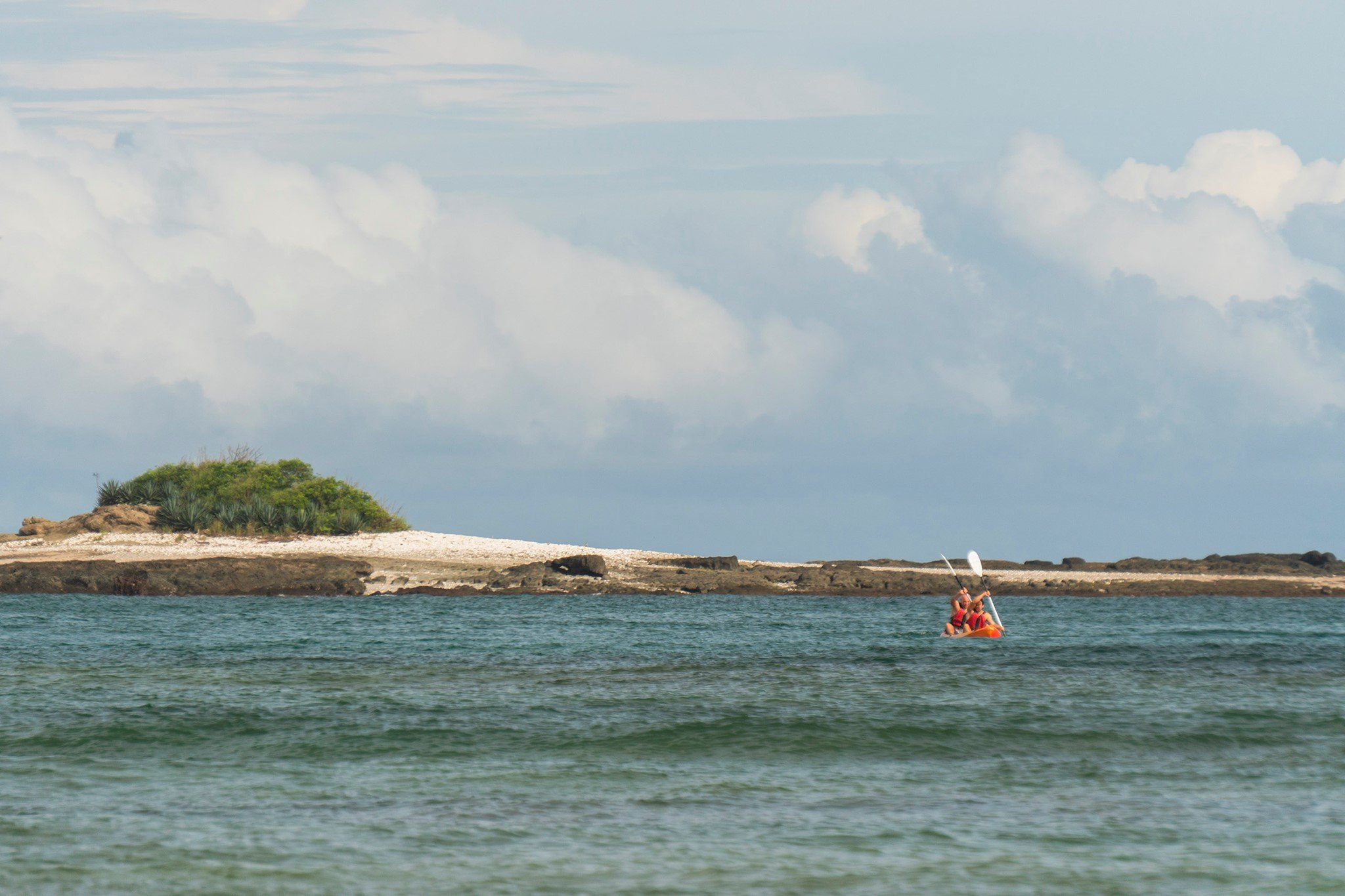
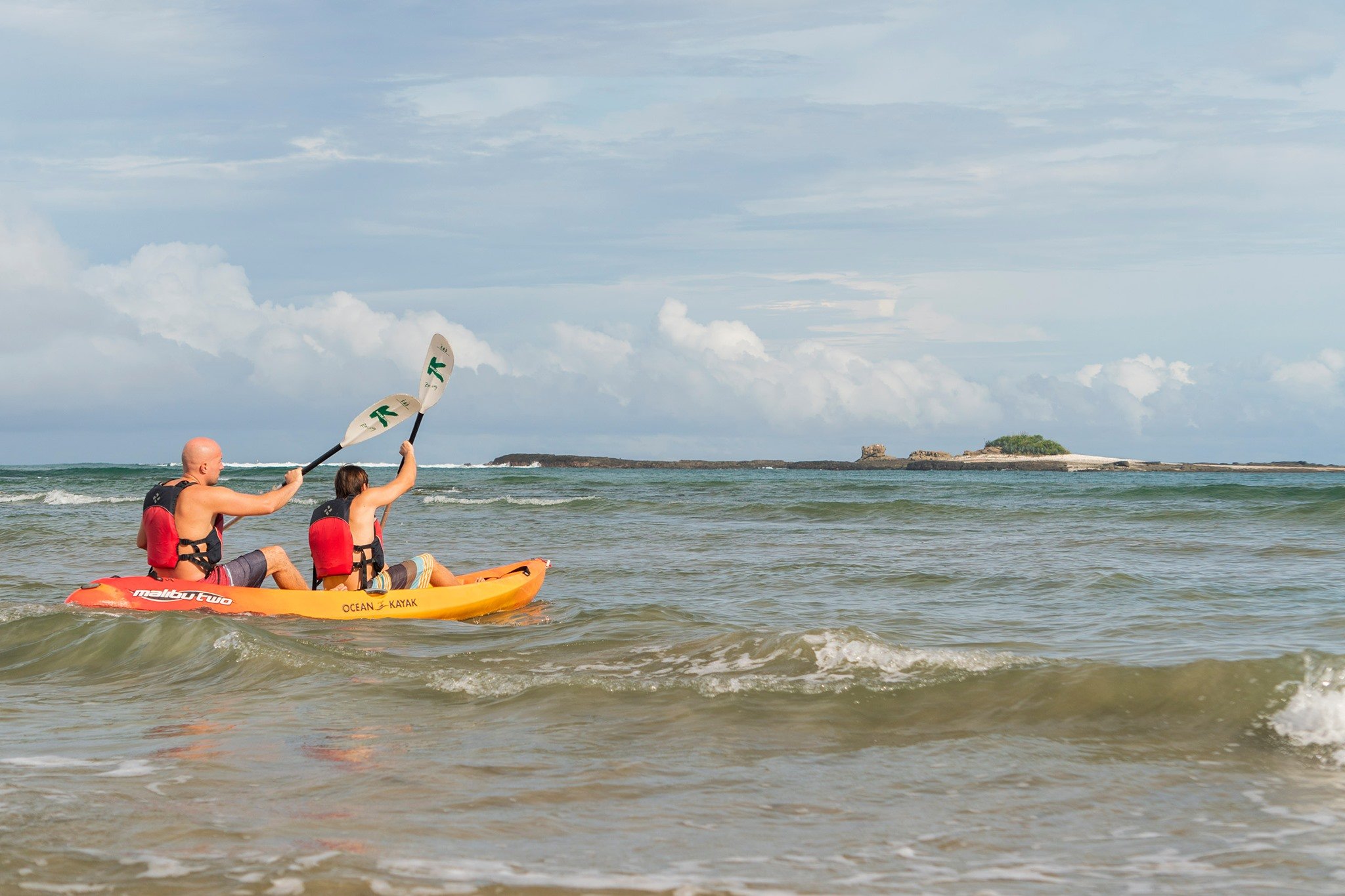
One of the nicest spots to snorkel in Tamarindo is around the Capitán Island, which you can reach by swimming, kayaking, or with a stand-up paddle board.
Depending on the tides, the weather conditions and your swim/kayak/SUP level, it may take you between 20 – 40 minutes to get to the island from the beach in front of Capitán Suizo.


SURFING & BOOGIE BOARDING

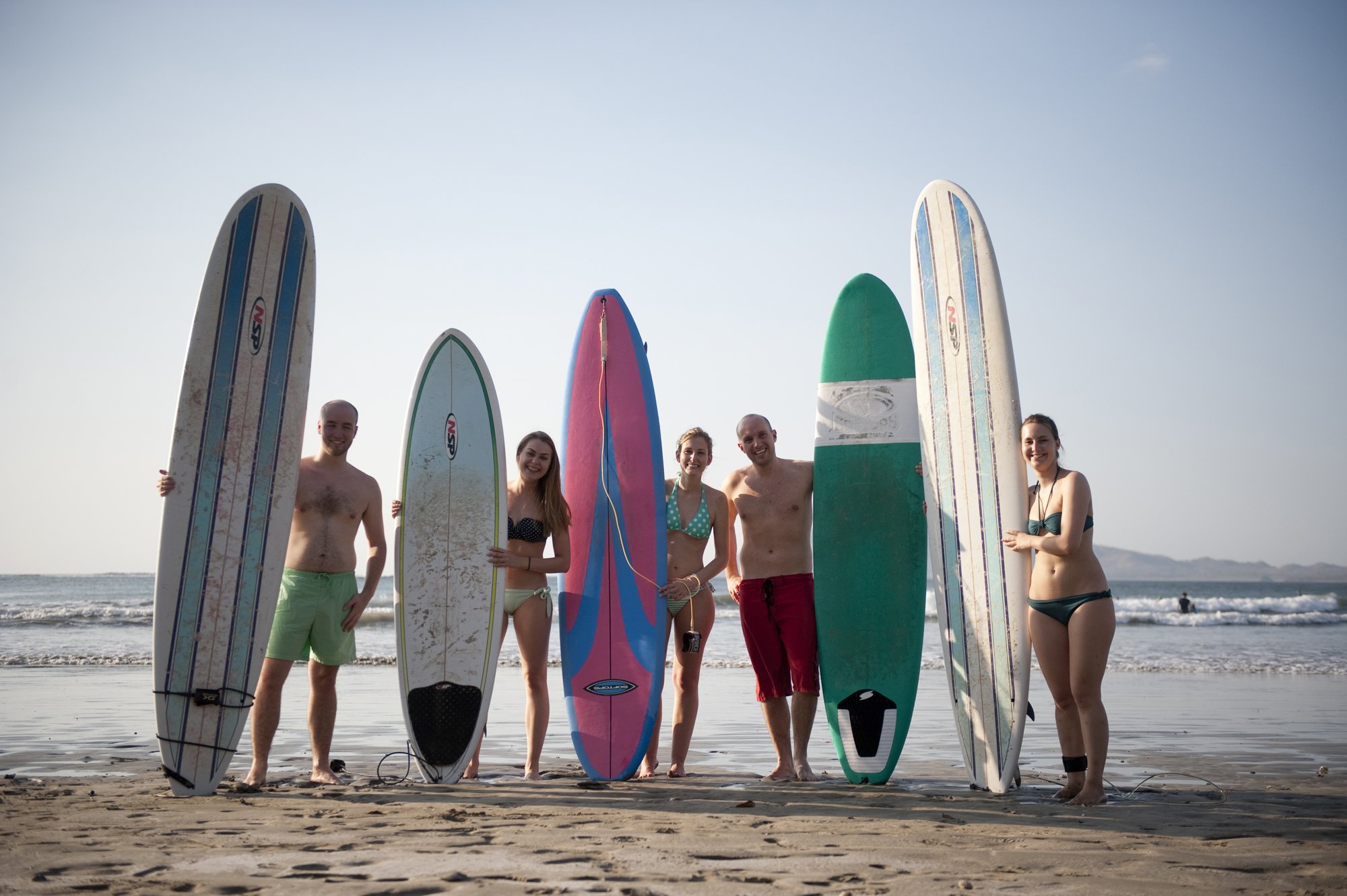
The beach offers opportunities for surfers of all levels to enjoy the great waves that bless this part of the world. Right in front of the hotel is a perfect spot for beginners. 
Take your own surfboard or rent one directly at the hotel. And if you prefer boogie boarding, you can find complementary boogie boards at our concierge.
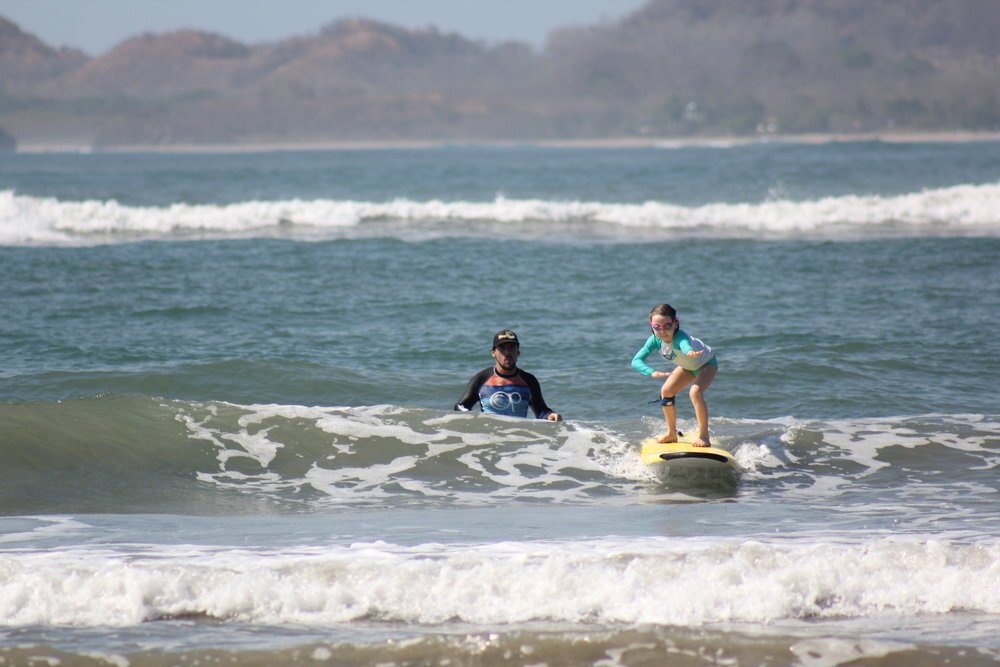
Tamarindo is also an ideal place for learning how to surf. Whether you are new to the sport or not, our experienced surf instructor will guide you through the basics of this fun and exciting sport and before you know it, you will be riding the waves.


KAYAKING & STAND-UP PADDLE BOARDING


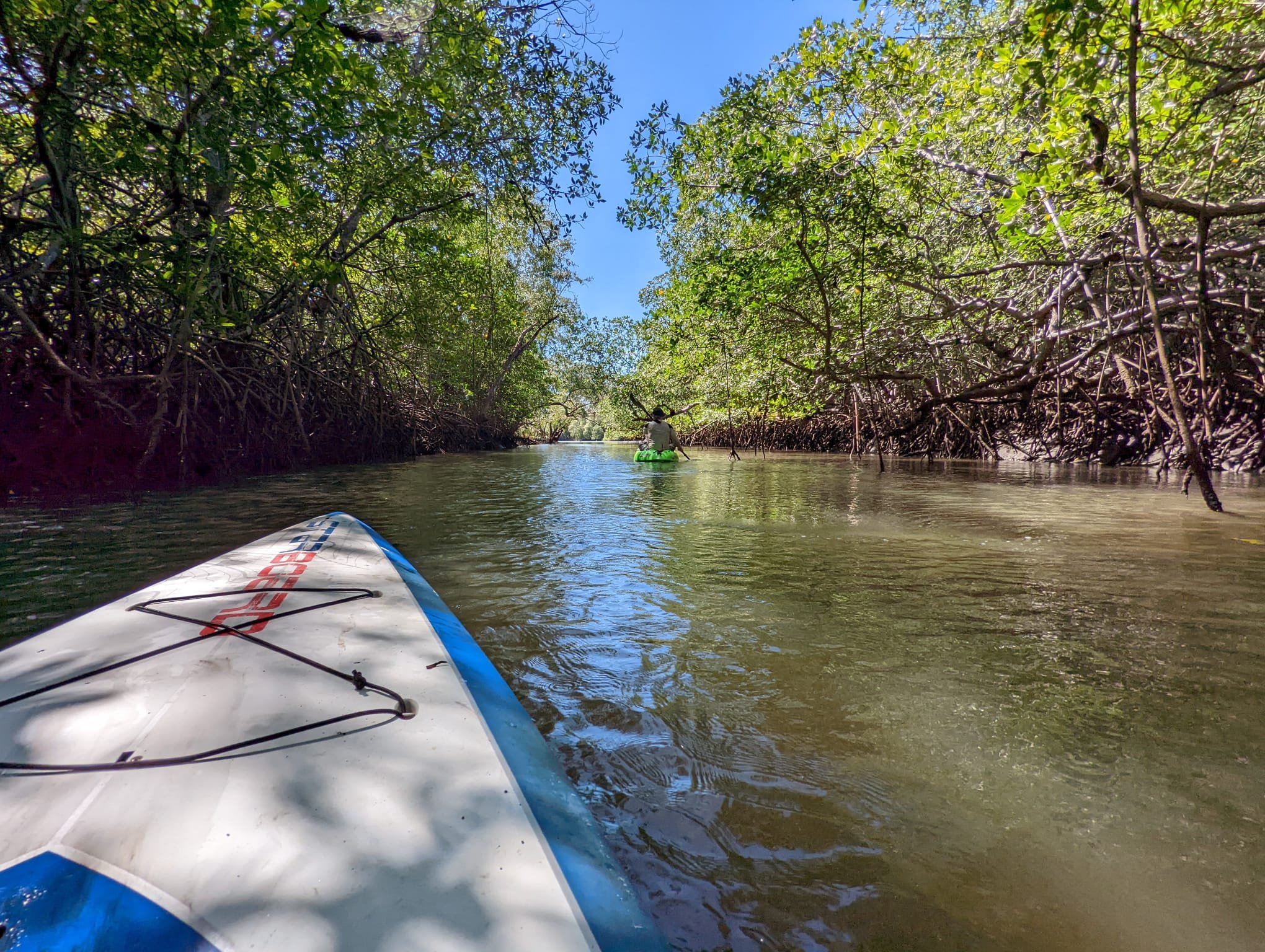
You can explore the Capitán island, the Tamarindo Bay or the Tamarindo estuary paddling your own kayak or SUP board.
In the Tamarindo estuary you can observe wildlife including wading birds, monkeys, crocodiles and the ecosystem of the mangrove forest.

Compiled by Milena Re
Marketing Assistant – Hotel Capitán Suizo
April 28th, 2022