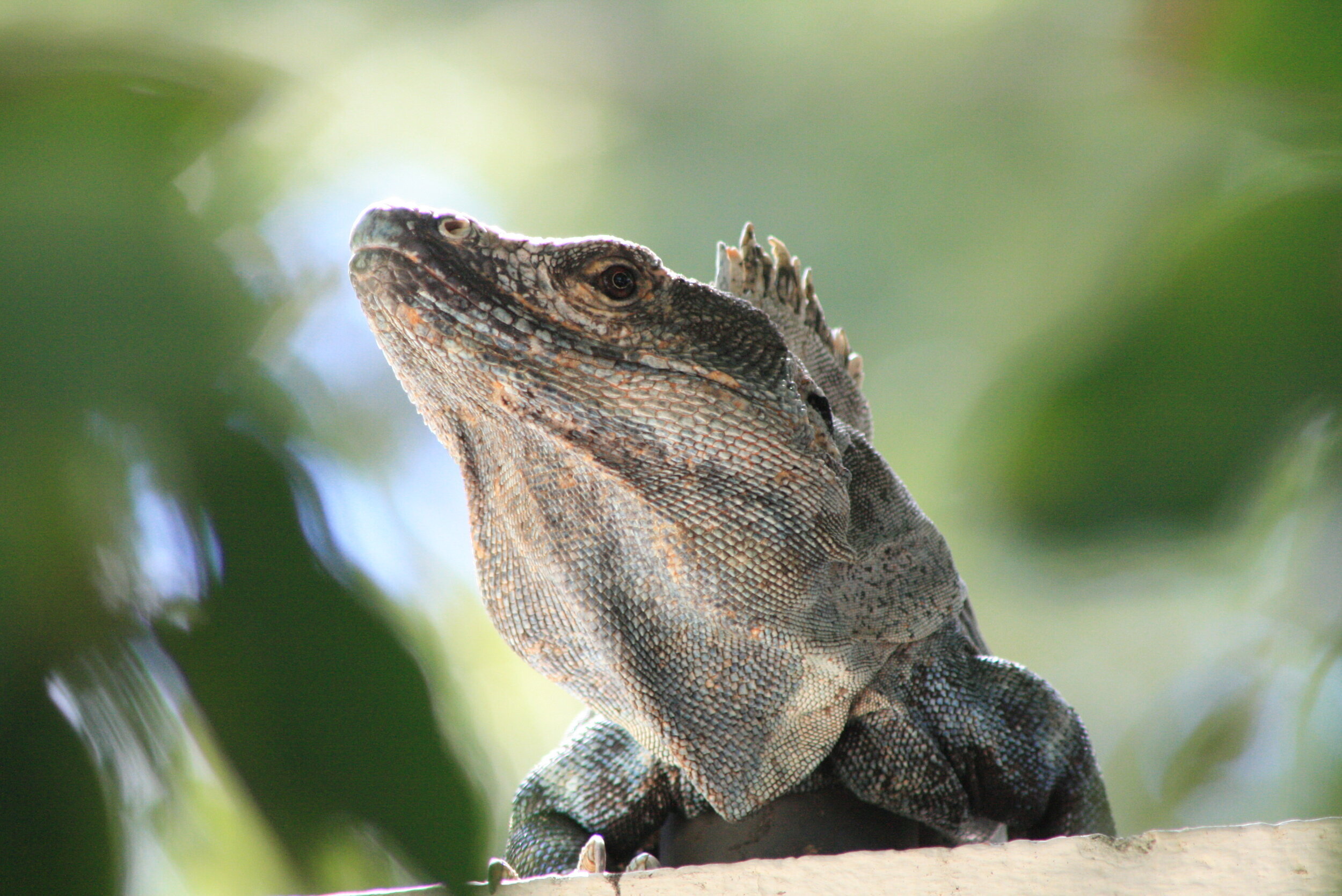
wildlife

Mariolitas – Native bees and their importance in Costa Rica

Mariolitas are small, stingless bees native to tropical America. They are among the most common species in Costa Rica and are completely harmless to humans.

They are excellent pollinators of native plants as well as agricultural crops. They also produce a very delicate honey with a slightly acidic, floral flavor. This honey is highly valued for its medicinal properties and its rarity, due to limited commercial production.

For the indigenous peoples of the region, mariolitas represented medicine, a source of livelihood, and a spiritual symbol. Their honey has traditionally been used for medicinal purposes.

Long before modern beekeeping, indigenous communities practiced the cultivation of stingless bees, known as meliponiculture. They placed nests in hollow tree trunks near their homes, protected the colonies from predators, and harvested the honey sustainably, as they had a deep understanding of the bees’ natural cycles.
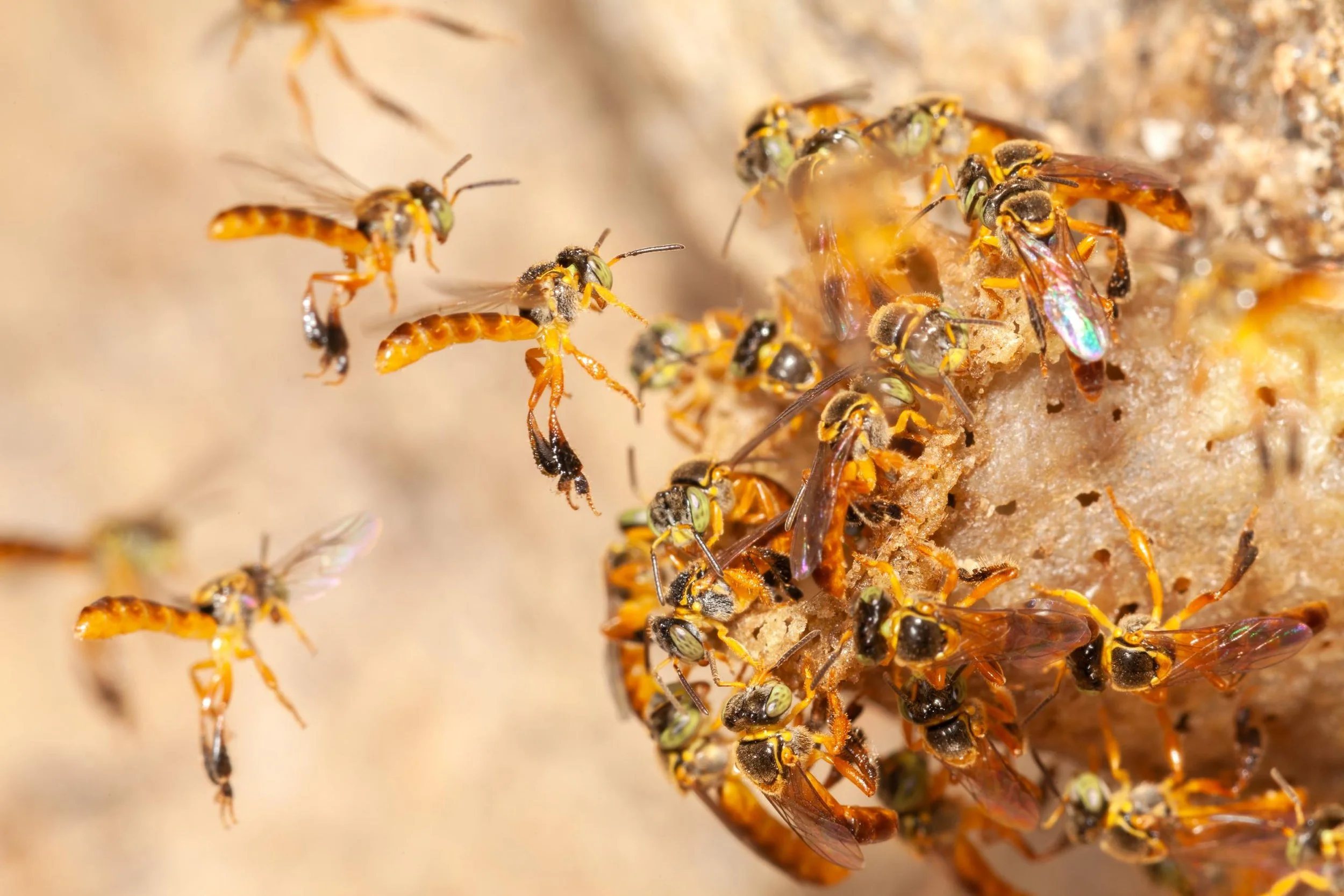
These small bees actively contribute to local biodiversity. Photo: Adobe Stock

In some Mesoamerican cultures, such as the Maya, stingless bees were considered sacred. They were associated with nature, fertility, and life. Their honey was used in rituals and offerings. There were even deities connected to bees, such as Ah Muzen Cab, the Mayan god of bees and honey, revered as the protector of honey gatherers and a symbol of abundance. His name means “the keeper of the honey.”

These bees reflected a way of life in balance with nature: they were not intensively exploited, their role as pollinators was respected, and they were seen as allies in an almost symbiotic relationship.

Properties of their honey

Antimicrobial and antibacterial: It has a strong ability to inhibit bacteria and fungi, due to its acidity, phenolic compounds, and natural enzymes.

  1. Rich in antioxidants: It contains flavonoids and polyphenols that help combat oxidative stress and slow cellular aging.

  2. Anti-inflammatory: Traditionally used to relieve irritations, mild infections, and inflammatory conditions.

  3. Supports the immune system: Its bioactive composition can help strengthen the body’s natural defenses, especially when consumed regularly in small amounts.

  4. Traditional medicinal use: In many Mesoamerican indigenous cultures, it is used to treat eye infections (highly diluted), respiratory issues (cough, sore throat), and for wound healing.

  5. Digestive and potentially probiotic: Due to its natural fermentation (higher than regular honey), it may support gut microbiota.

Their importance as pollinators

Due to various factors, the global population of pollinating insects has declined, affecting both agricultural production and biodiversity. Mariolitas are excellent pollinators: they are highly active and, unlike honeybees (Apis), can work even in light rain. They are also well adapted to hot and humid climates.

As generalist pollinators, they can pollinate a wide variety of plant species. Their small size and light weight allow them to access and pollinate very small flowers.
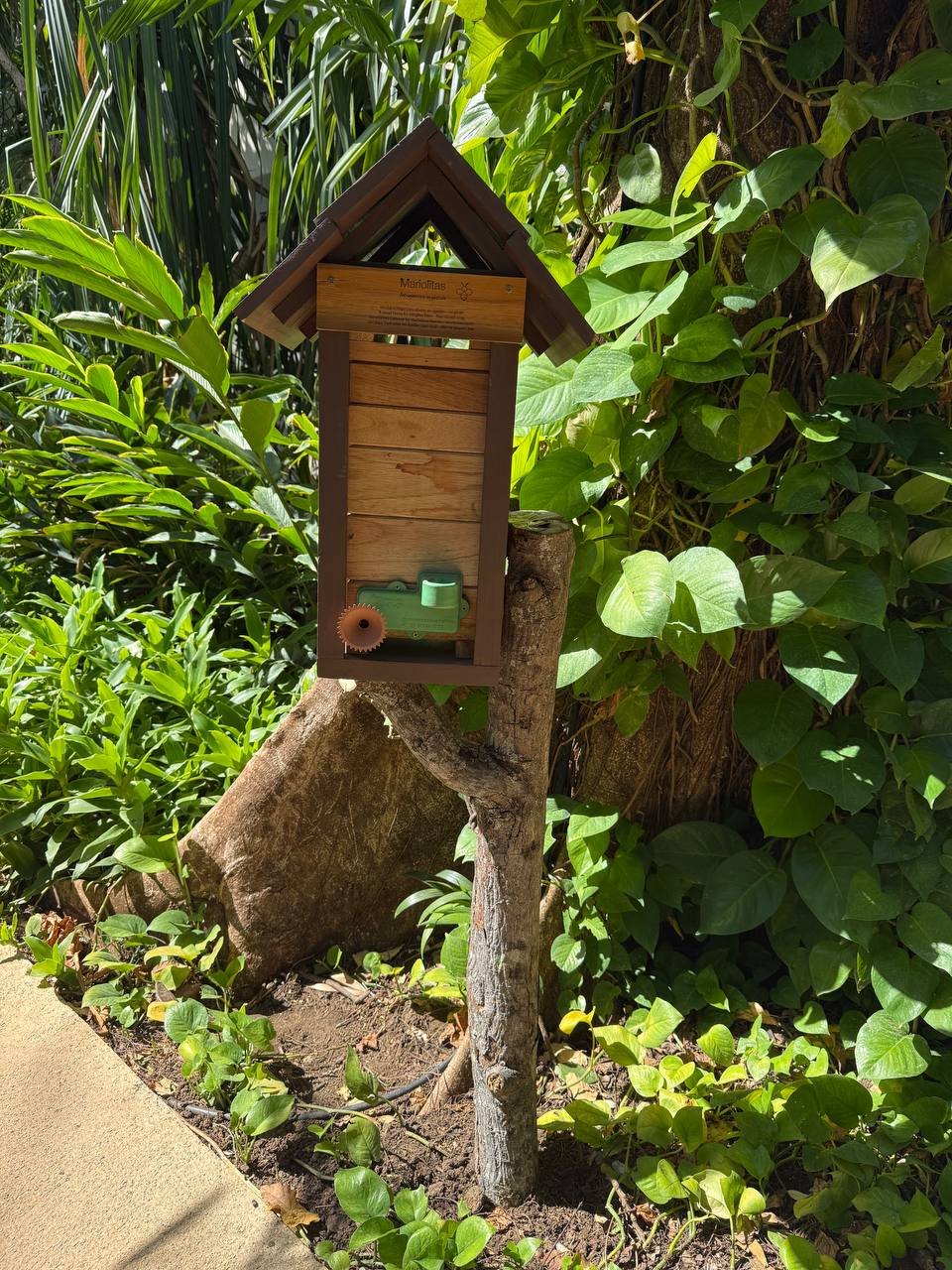
Mariolitas house in our garden – a space dedicated to stingless bees. Photo: Hotel Capitán Suizo

In our garden, mariolitas pollinate the flowers of Guanacaste trees, pochote, papaya, piper species, starfruit trees, and many other native plants.


From: Helen Soto, Manager
May 28, 2026

Tamarindo Travel Tips

The weather in Tamarindo ☀️

The climate in Tamarindo is divided into two seasons, a dry season, often referred to as high season, and a rainy, or green, season.
The dry season runs from December to April, and in those months it rains very very little. 
In May the green season starts (it starts to rain) and lasts till November. In the first few months of green season it can rain quite a bit, with typical tropical “showers”, but it’s also common to have days, and sometimes even weeks, with almost no rain at all. September and October are the rainiest months.


Both seasons have their advantages: the dry season is perfect to enjoy warm weather and sunshine ☀️ and the rainy season offers more tranquility, due to fewer tourists, more comfortable prices, and nature is presented in all its most beautiful shades of green! 🌿

What should I pack?
 👙🕶️

Tamarindo is a beach town, and it’s warm year round, so you can pack comfortable, casual and light clothes.
Your wardrobe should definitely include bathing suits, shorts, shirts, flip flops, sunglasses and a cap/hat.
Also, sunscreen, insect repellent and an after bite are highly recommended, but can also be found in the shops in town.
If you are visiting Tamarindo in rainy season, bringing a rain jacket is a good idea.
And if you are planning to do some activities, tours or hikes a lightweight daypack and comfortable hiking boots should be part of you luggage.

Airports ✈️

The closest international airport is located in Liberia, about a 60-minute drive away and there is also a domestic airport in Tamarindo.

Is the local water safe to drink? 🚰

Tap water is generally safe to drink in most places in Costa Rica, it may have a different “taste” though. 
At Capitán Suizo we offer filtered water in our restaurant and we have a few filtered water distributors in the hotel area.

Swim & surf in Tamarindo 🌊

Tamarindo in general is known as one of the safest beaches in the country, the currents are gentle and the beach is flat with almost no inclination. 

During low tide, the waves are very small which makes swimming enjoyable for everyone.
During high tide, the water level rises and therefore waves become bigger and are ideal for surfing or boogie boarding.  

Capitán Suizo is located at the end of the bay where the waves are the calmest which is why the beach at our end is also ideal for beginner surfers.
For advanced surfers, the river mouth is a perfect place to surf. 

Costa Rica's Wildlife 🐒🦝🦜


Costa Rica is known for its amazing nature and wildlife and in Tamarindo you can see quite a few animals. Birds, howler monkeys, squirrels, gray and green iguanas, geckos, skunks, and raccoons are some of most common animals in the area. With some luck you can also spot nocturnal wildlife such us armadillos, collared anteaters, porcupines and opossums.

If you are looking for a hotel set beneath native trees and nestled between rich, organically maintained gardens which home and attract a wide variety of wildlife, Capitán Suizo is a great option 😉

Compiled by Milena Re
Marketing Assistant – Hotel Capitán Suizo
February 24th, 2022

Wildlife in Capitán Suizo

Costa Rica is very well known for its diverse flora and fauna and for its environmental protection and nature conservation, and we try our best to be part of this commitment. 

The garden of Capitán Suizo is a little tropical paradise, with more than 60 different species of trees, many of which are native, and ornamental plants.
Thanks to this wide variety of plants and to a large amount of our organic waste and the production and application of 100% organic fertilizers, our lush garden has become a safe place for all forms of life. 
The flora in the hotel grounds offers wildlife a site to feed, mate, nest, rest or move freely.

In each corner of the hotel one can observe the magnificent beauty of Costa Rica’s nature.
Here are some of the animals that can be seen almost daily throughout the hotel’s garden:

With some luck, sometimes nocturnal wildlife such as porcupines, anteaters, skunks and opossum can also be seen.
If you would like to know more about the animals you can spot in our garden, please visit our wildlife page.

It is very important to us to be able to live in harmony, side by side, with many different species of wildlife and nature in general.
We are grateful to all the animals that choose our tropical garden as their home or that come visit from time to time, and we are very happy that our guests can enjoy their presence as well.

Compiled by Milena Re 
Marketing Assistant – Hotel Capitán Suizo 
September 29th, 2021